
Blog
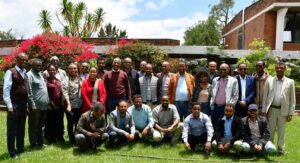
Ethiopia plans to scale solar irrigation with public and private sector momentum
Key stakeholders in agriculture and irrigation including government authorities, private sector and non-profit institutions during a high-level consultative workshop to ...
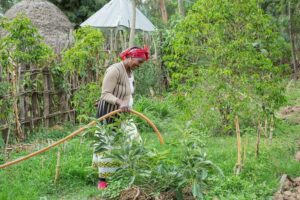
Solar irrigation initiative launched with Ethiopian solar energy association
Etenesh Asro, a farmer in Ethiopia, uses a solar-powered pump to draw groundwater for irrigating her crops. Photo: Maheder Haileselassie/IWMI ...
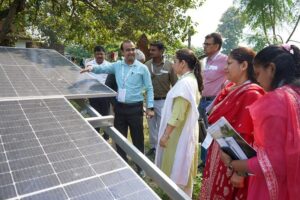
Agriculture advisors to bring more Indian farmers towards renewable energy
A field visit to on solar irrigation systems as part of the hands-on training for KVK scientists, highlighting system operation, ...

Innovative solar irrigation models inspire South–South learning
Researchers and policy makers from Kenya and Ethiopia examine the solar irrigation pump site at Kevlari village in Mandla, Madhya ...
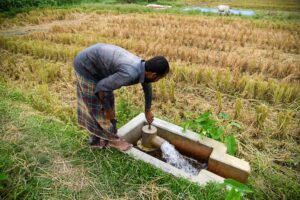
What the evidence says about solar irrigation and groundwater sustainability in Bangladesh
A farmer opens the water connection pipe to flood his paddy field in Thakurgaon, Bangladesh. The irrigation, supported by a ...
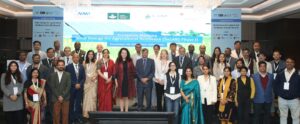
The next phase of solar energy solutions for agricultural resilience in Asia and Africa
By scaling solar energy use for agriculture and promoting water-efficient practices, the initiative responds to climate and energy challenges facing ...
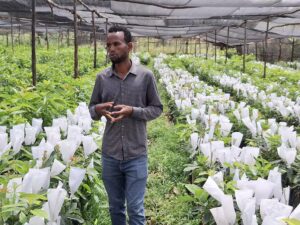
A roadmap for solar irrigation expansion in Ethiopia
By Yonas Tafesse, Amare Haileslassie, Wolde Mekuria, Elizabeth Wamba Agriculture is more than an economic sector in Ethiopia — it is the lifeline of ...
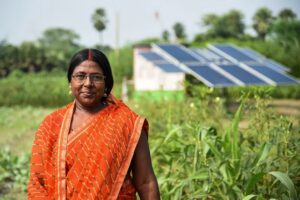
Inclusive financial models empower women in India’s agriculture sector to expand income opportunities
By Tanmoy Bhaduri, Gulshan Borah Agriculture is quietly transforming across rural India — and women are at its heart. As men migrate ...
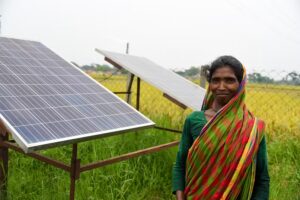
Public-private partnerships scale solar-powered agriculture in Bangladesh
By Tanmoy Bhaduri Sumi Mardi from Dinajpur, Bangladesh, explains that because of delayed monsoons, farmers in the region have turned to ...
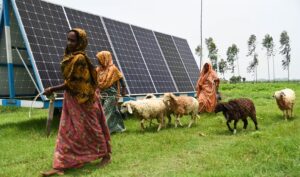
Solarizing will make agriculture resilient in South Asia and East Africa
By Tanmoy Bhaduri Women farmers in Kayumer Char, Gaibandha in northern Bangladesh, lead their cattle home against the backdrop of ...
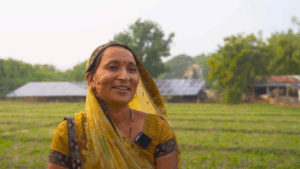
Impact of SKY: A Perspective of Women Farmers
By Kriti Sharma, Deepak Varshney, and Darshini Ravindranath The agriculture sector in India, as per the India Energy Outlook, accounts ...
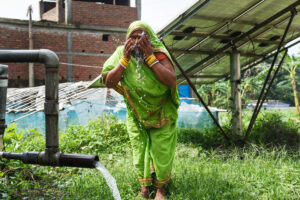
Closing the Gender Data Gap in Agriculture-Food Systems
By Darshini Ravindranath Angel Konthoujam. Gender equality and social equity are integral to achieving sustainable development in agriculture-food systems, however, ...
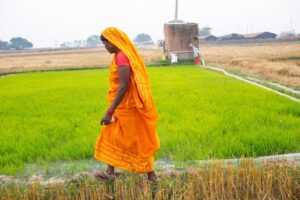
Community Engagement and Capacity-Building needs in Technology Intervention
By Amrita Rauniyar Shisher Shrestha. Climate change is having a global impact on water security and agricultural practices. As a ...

Impact of SKY: A Perspective of Women Farmers
By Kriti Sharma Deepak Varshney Darshini Ravindranath. The agriculture sector in India, as per the India Energy Outlook, accounts for ...
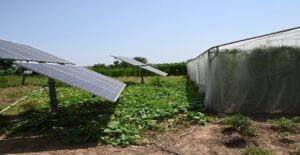
Grid-connection pilots for IDCOL’s Solar Irrigation program in Bangladesh
By Shisher Shrestha Manish Kumar Bangladesh’s farmers depend on irrigation powered by imported diesel. With the rising cost of fossil ...
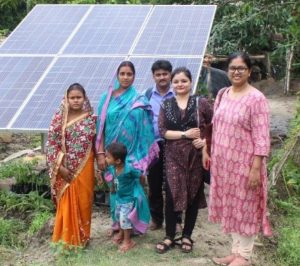
Facilitating SIP Subsidies through Innovative Finance Support Model
By Sunipa Das Gupta SwitchON Foundation, an SDC-IWMI SoLAR innovation fund grantee, is enabling farmers in East and West Midnapore, ...
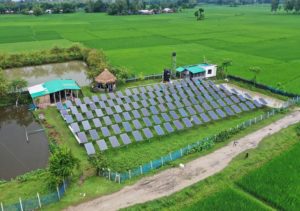
IDCOL in Bangladesh: A Public-Private Partnership (PPP) Model for Decarbonizing Irrigation through Solar
By Archisman Mitra Diesel-based groundwater irrigation has been crucial for Bangladesh’s Boro rice cultivation and subsequent food security. As of ...
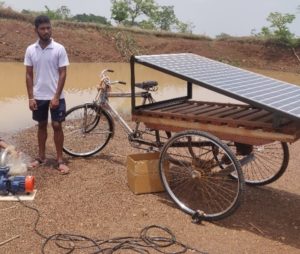
Solar Irrigation for the “Last Mile”
By Shisher Shrestha Kalinga Renewable Energy Manufacturers Pvt. Limited (KARMA), a start-up from the Indian Institute of Technology (IIT) ...
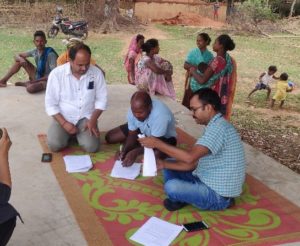
Tapping Surplus Energy from SIPs for post-farmgate use
By Shisher Shrestha Collectives for Integrated Livelihood Initiatives (CInI), a SoLAR IF Grantee based in Rachi, aims to transform the ...
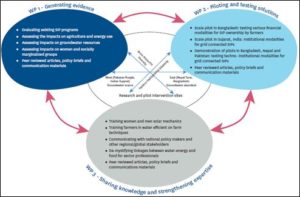
Solar Irrigation in South Asia: Emerging evidence of impacts on mitigation, adaptation, equity and groundwater
By Dr Aditi Mukherji Alleviating poverty with minimal carbon emission is at the heart of climate-resilient development. This need is ...
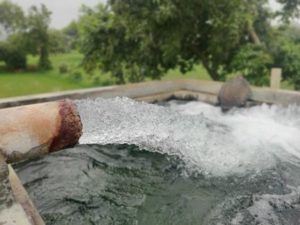
Solar irrigation: A boon or bane for groundwater?
By Mohammed Faiz Alam At Ishnav, a small village in the Anand district in Gujarat, solar panels shine bright in ...
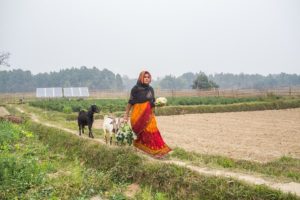
Empowering female farmers through improved access to water technologies
By Manohara Khadka “I wish to have a solar powered irrigation pump (SIP),” said a female farmer from Madhavpatti village ...
Stories from SoLAR
 IWMI’s SoLAR project facilitates us to set up grid connections for distributed generation and a reliable power supply
 SDC-IWMI SoLAR Project Builds Institutional Capacity for Micro-Grid Connected Solar Pumps through Knowledge Partnership
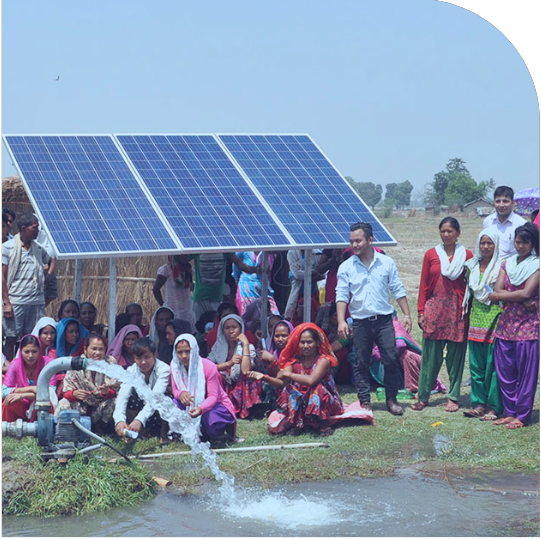

 SoLAR Innovation Fund Grantee SwitchON’s Mini Solar Pumps for Women Farmers.