Solar Energy for Agricultural Resilience (SoLAR)
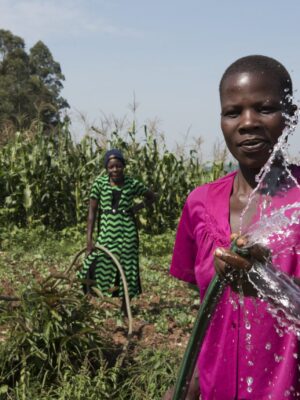
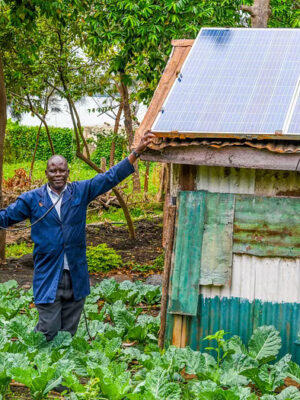
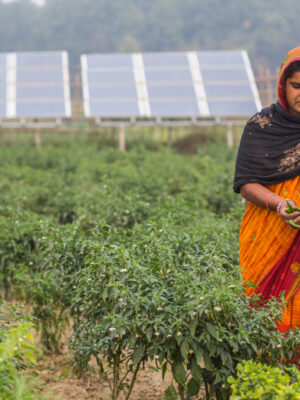
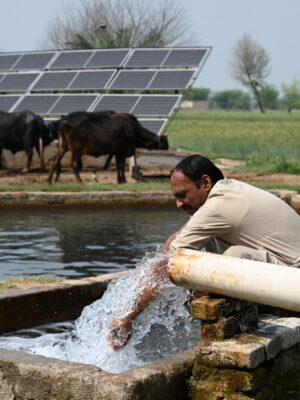
Agriculture in South Asia and East Africa faces growing challenges from climate change, unreliable rainfall, high fuel costs, and unequal access to resources — particularly for women and smallholder farmers. To address this, the International Water Management Institute (IWMI) is advancing solar energy solutions to build agricultural resilience.
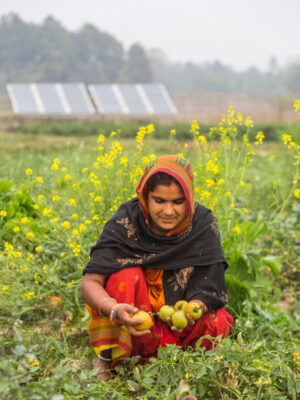
The SoLAR project promotes gender-sensitive policies and inclusive business models, ensuring women and marginalized groups can access solar irrigation pumps (SIPs) through micro-SIPs and targeted training. Innovative financing approaches — such as micro-financing, grant-based investments and First Loan Default Guarantee schemes, have helped reduce financial barriers for smallholder farmers to overcome financial barriers. By replacing diesel irrigation with solar-powered systems, the initiative reduces carbon emissions, conserves groundwater, and enables farmers to shift toward high-value crops. The project also explores grid-connected solar irrigation, including net metering and surplus electricity sales, creating new income streams while encouraging sustainable water use.
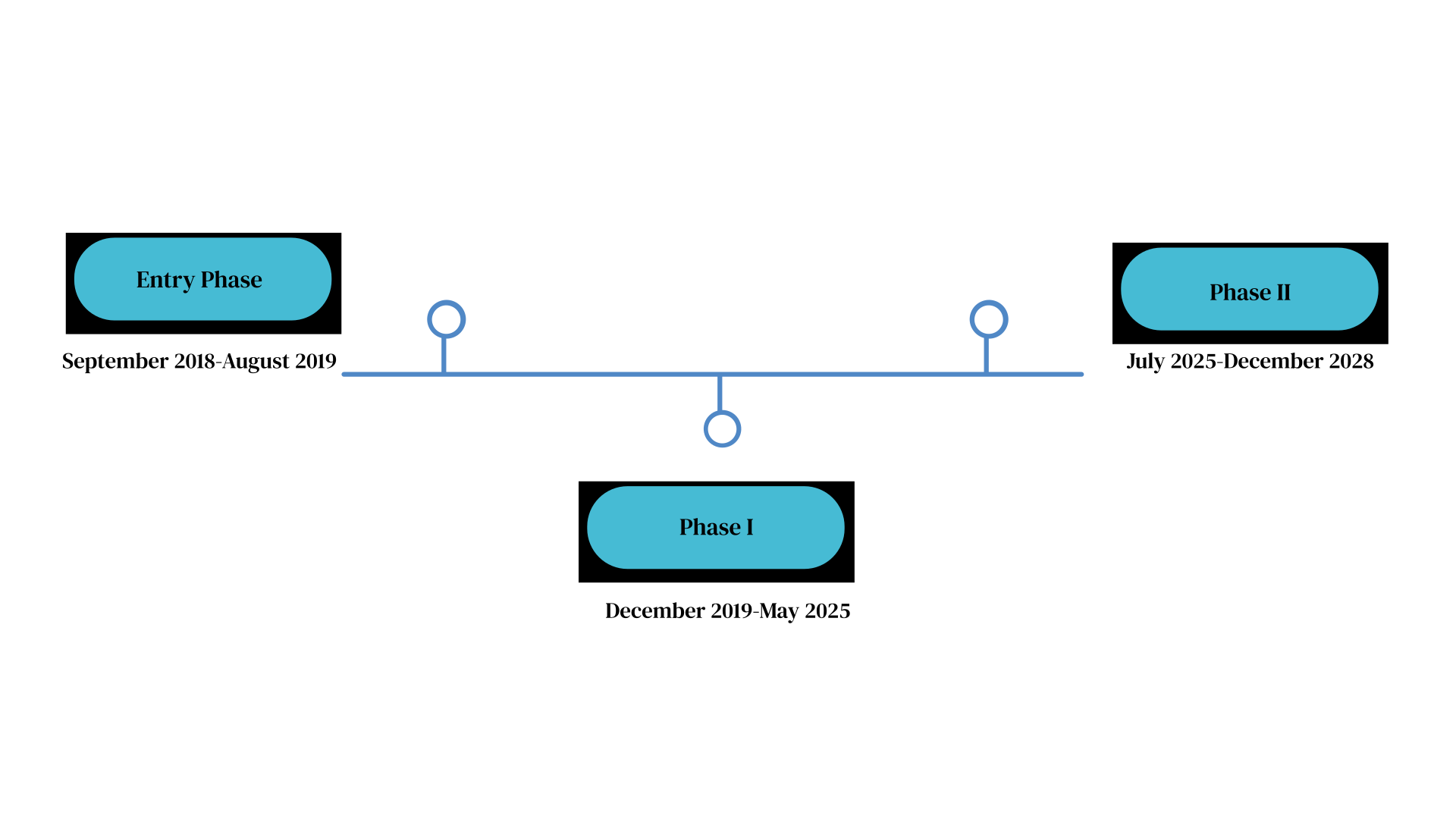
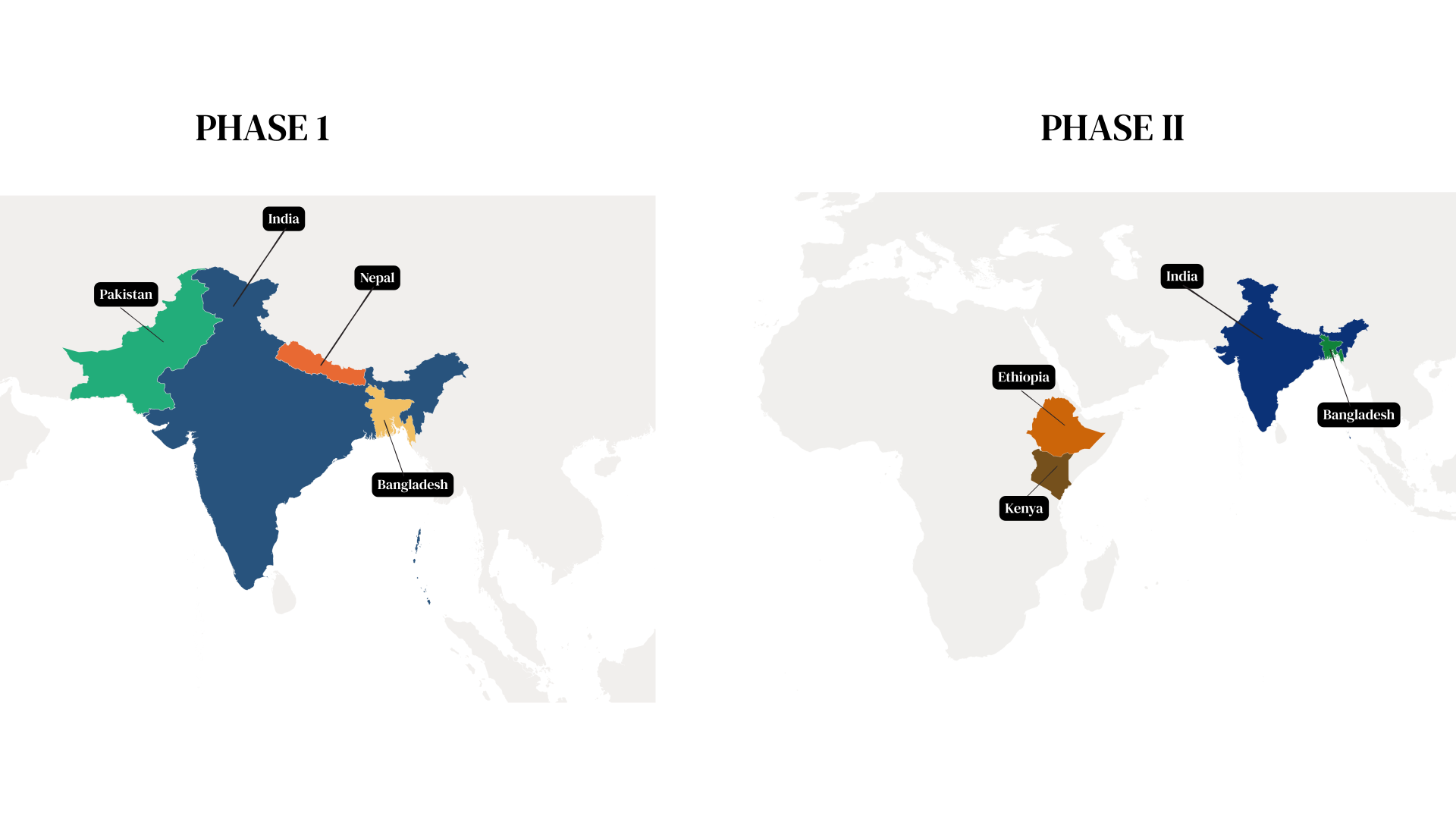
Building on the successful implementation of and lessons learnt from the first phase across Bangladesh, India, Nepal and Pakistan, the second phase extends the project’s reach to Ethiopia and Kenya and further scale interventions in Bangladesh and India. This South-South collaboration aims to position solar-powered agricultural systems as a replicable and scalable model for achieving sustainable, socially inclusive and climate-resilient agriculture across the Global South.
Project Timeline