The International Water Management Institute (IWMI) and the Ethiopian Solar Energy Development Association (ESEDA) signed a three-year Memorandum of Understanding (MoU), on November 21, 2025, to advance solar-powered irrigation systems in Ethiopia. The partnership brings together IWMI’s research-for-development expertise and ESEDA, an independent non-profit association linking private-sector and policy networks. It aims to strengthen the enabling environment for solar energy applications in agriculture, particularly solar-powered irrigation.
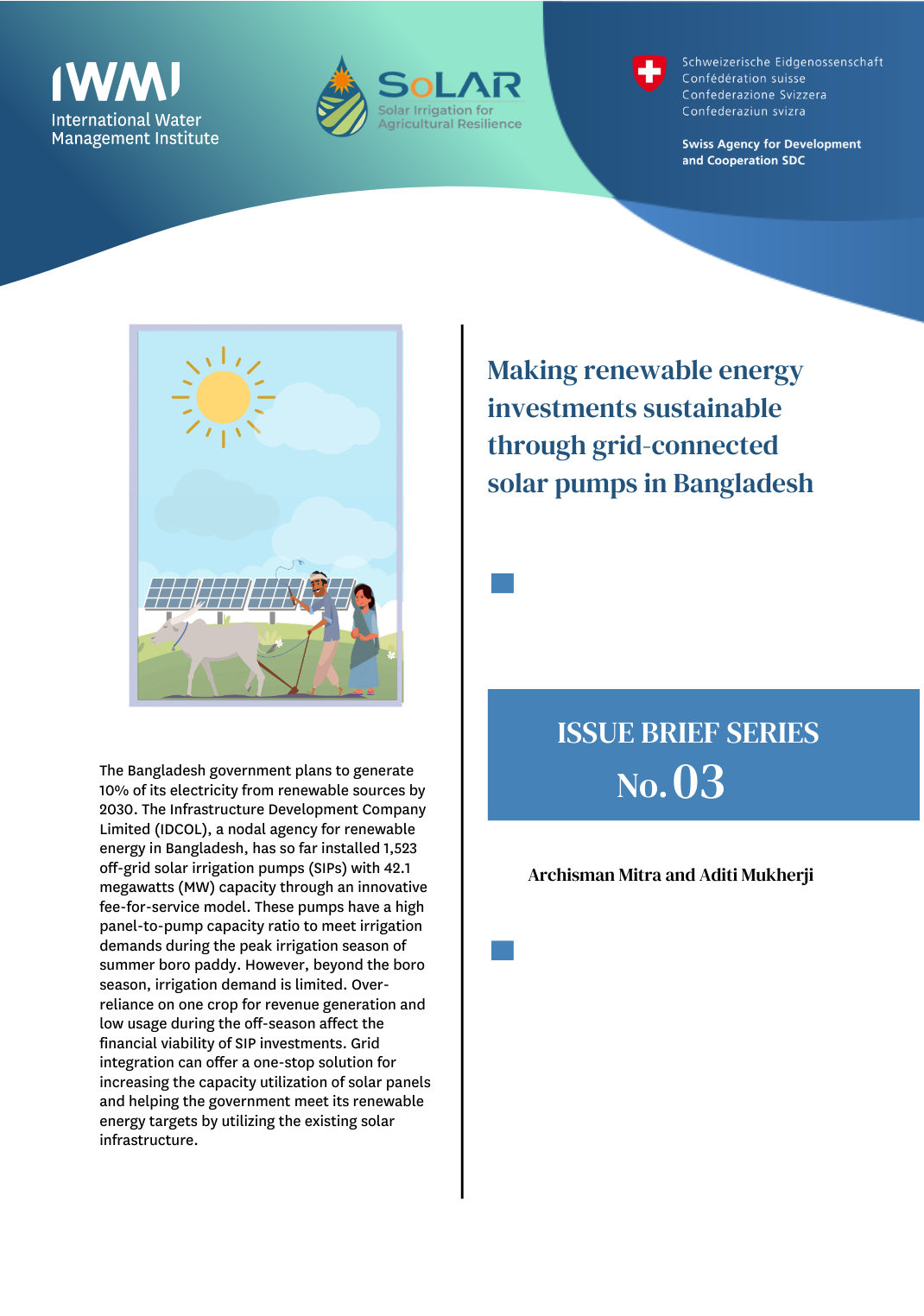
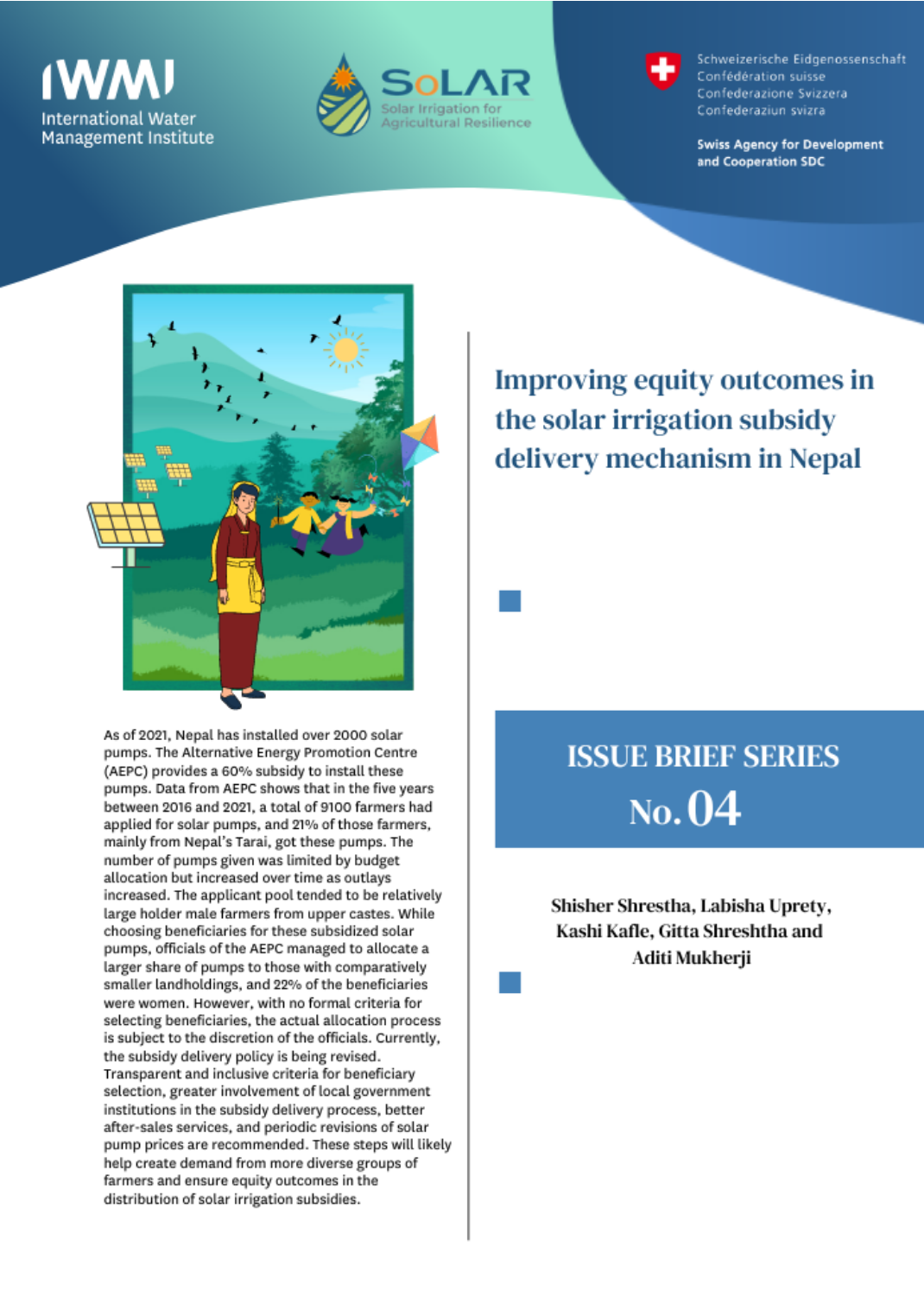
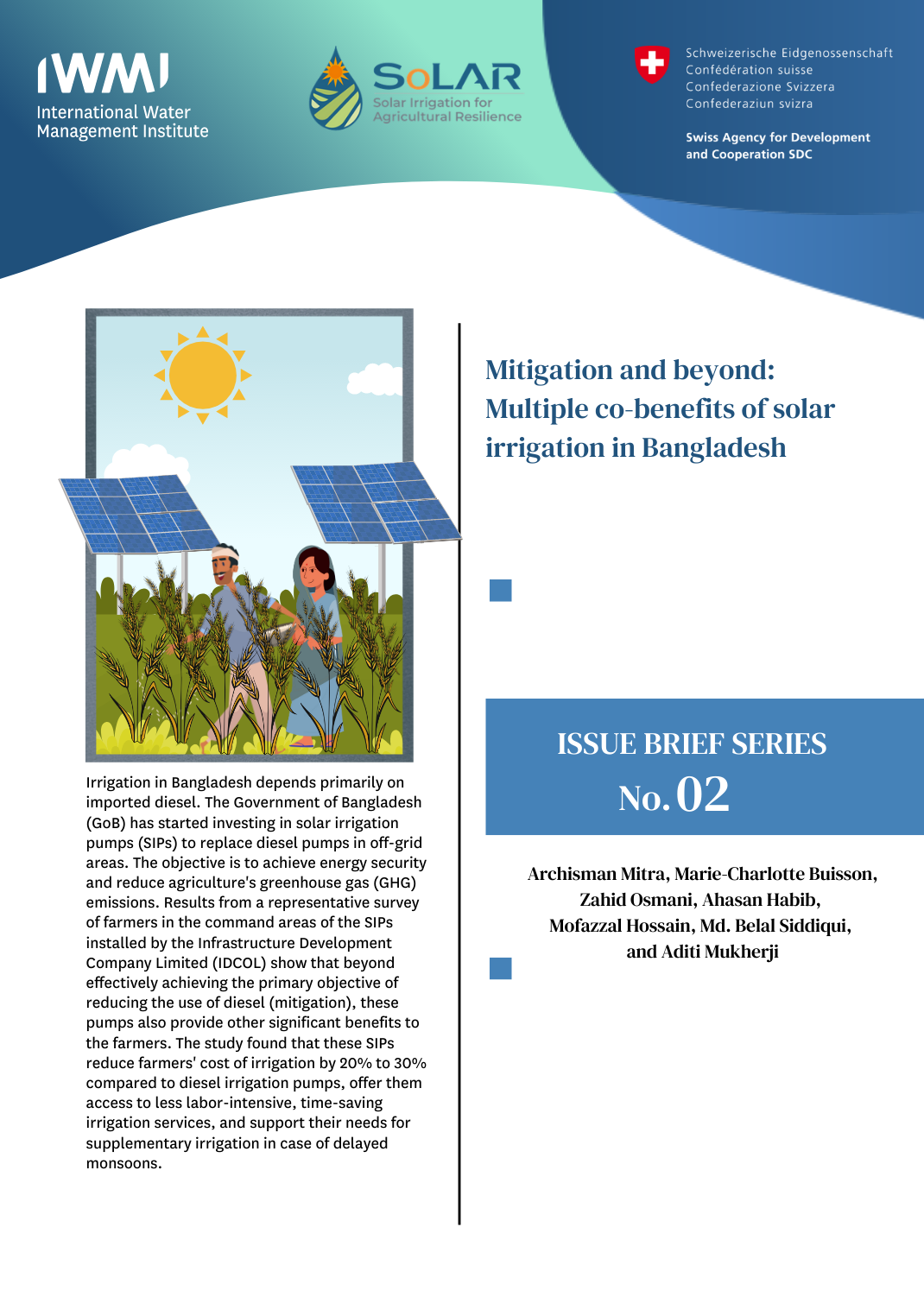
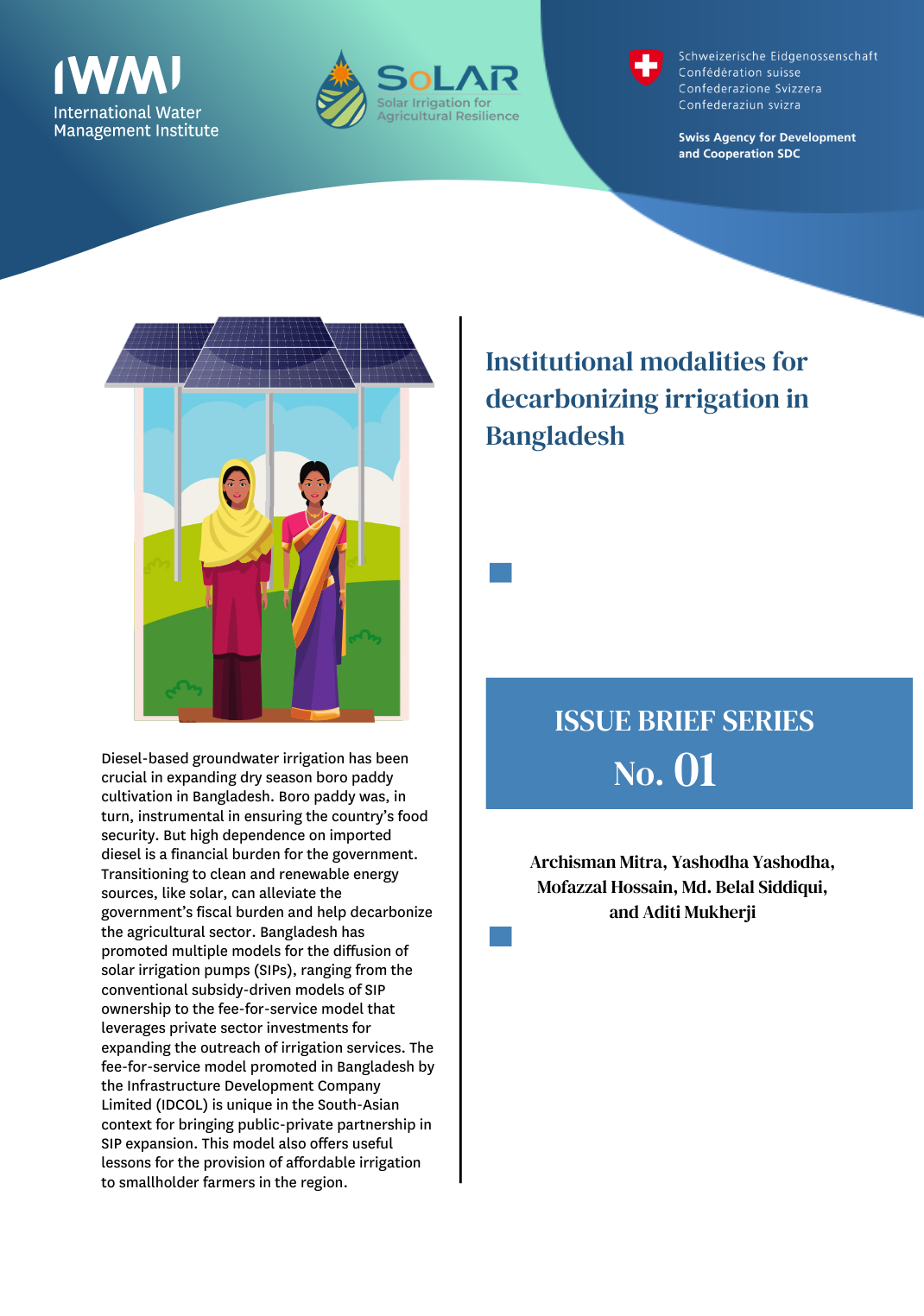
The agreement is part of the Solar Energy for Agricultural Resilience (SoLAR) project. Led by IWMI and supported by the Swiss Agency for Development and Cooperation (SDC), the SoLAR project aims to unlock investments to scale solar energy solutions for agriculture. Now in its second phase, SoLAR operates across India and Bangladesh, in South Asia, and Ethiopia and Kenya in East Africa.
Agriculture is a major driver of Ethiopia’s economy, and solar irrigation is increasingly seen as a viable option to support rural livelihoods. Ethiopia’s entry into SoLAR comes as the country accelerates efforts to expand clean irrigation.

Through this new partnership, IWMI and ESEDA are working to integrate solar energy into national programs. They will test gender-inclusive financing models and generate on-field evidence through pilot demonstrations. IWMI researchers will also introduce knowledge-sharing platforms to improve food security and advance climate adaptation.